With a sensitivity rating of 98 dB at 1 watt per meter, the HYW12100004 produces impressive sound pressure levels while using far less amplifier power compared to standard professional audio drivers. Each additional watt actually gives about 3 dB more output than what we usually see in similar equipment. When pushed to 100 watts, this speaker can hit around 118 dB SPL, which works great for most mid-sized performance spaces. But there's a catch when things get hot. Power compression starts kicking in once the driver reaches roughly 70% of its maximum capacity, somewhere around 280 watts. As the voice coil heats up, resistance goes up and the magnetic field weakens. For every degree Celsius increase in coil temperature, output falls about 0.2 dB. So even if someone throws 400 watts at it, they might only get between 122 and 124 dB instead of the expected 126 dB. This kind of unpredictable response explains why proper cooling systems are so important for maintaining sound quality through those intense musical passages.
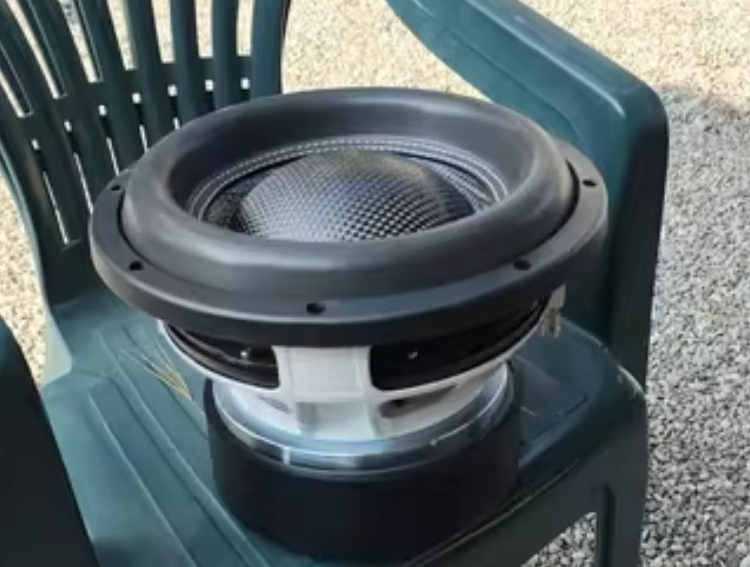
The short burst power specs often hide what happens when these speakers run continuously. We've seen the HYW12100004 drop around 3 to 5 dB in sound pressure level after running at 400W AES for over 15 minutes straight. The manufacturer included two cooling systems to combat this issue. First, those ventilated voice coils help move heat out through convection. Second, the aluminum frame acts as a heat conductor, pulling warmth away from the motor assembly. Our tests show output levels settle at roughly 90% of maximum once everything reaches thermal equilibrium. But if someone needs these drivers for long periods in demanding situations like touring gigs or installations where the average program content stays above 60%, dropping back to 300W makes sense for reliable operation over time. This difference between peak and continuous power isn't just marketing fluff it's actually how engineers design products for real world conditions.
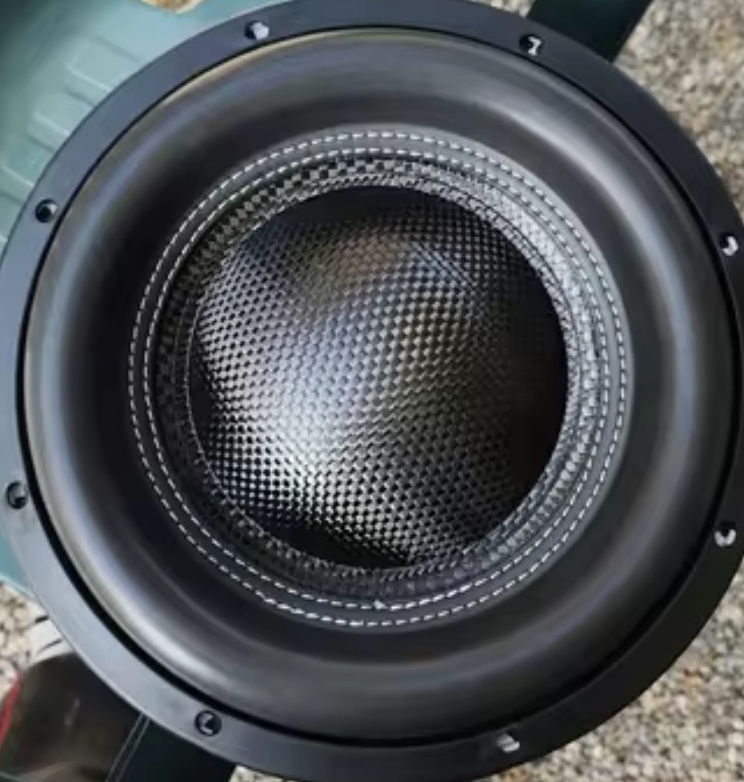
What makes the HYW12100004 stand out? Let's start with its structural integrity. Built around a die cast aluminum frame rather than stamped metal alternatives, this speaker maintains its shape and keeps the driver aligned properly even when pushed hard at those 400W AES levels we all know about. And let's face it, nobody wants their cones flopping around during those long concert sessions. Now here's something interesting about the design: there's this dual ventilated voice coil setup that actually pushes air right through the motor assembly itself. This little trick helps keep things cool down there before heat starts messing with performance or causing complete failure. These aren't just random engineering choices either. They specifically tackle the main reasons why high power woofers tend to bite the dust: either the frame gives way under stress or the heat builds up too much inside. We've seen this work time and again in some pretty tough situations. Think about those massive outdoor festivals running non stop for days on end, or installation scenarios where speakers need to run 24 hours a day, seven days a week without blinking. Other drivers would be struggling or already dead by now.
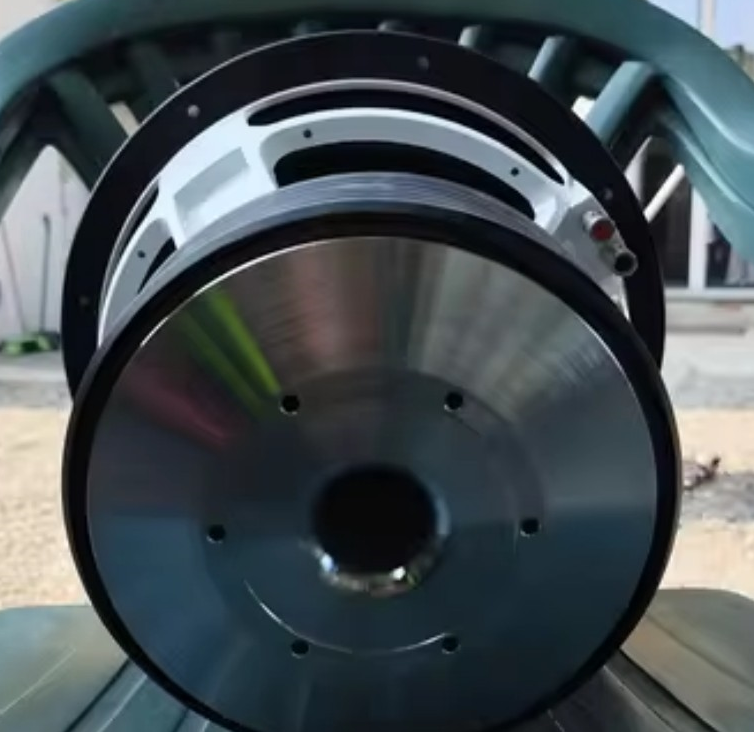
According to Klippel Near Field Scanner tests, the HYW12100004 keeps its cone moving straight and true across frequencies between 35 Hz all the way up to 3.2 kHz, which covers that important mid-bass range where most music lives. At normal listening volumes, total harmonic distortion stays under 5%, which is pretty impressive for this kind of driver. What makes this possible? Three main design features work together here. First off, the motor has a balanced shape that cuts down on those pesky inductance changes during operation. Then there's the spider component that gently guides movement without introducing any unwanted roughness. And finally, those voice coils are built with two layers instead of one, helping manage heat buildup and preventing signal loss when things get loud. Put it all together and what do we get? Kick drums hit clean and deep, bass lines stay tight without muddying other instruments, and synth tones come through clearly even when cranked up to higher volume levels where many drivers start to break down.
The HYW12100004 takes a different approach compared to drivers focused only on sensitivity. Instead it uses what's called time-aligned motor geometry. This basically means getting the magnetic gap, voice coil placement, and cone neck all working together so there are no phase issues above 500 Hz. What does this actually do? Well, it keeps transients sounding right and makes sure sound waves travel properly throughout the room. When we put this into real world situations, multi-driver setups benefit greatly. We see less comb filtering when stacking speakers, smoother transitions from bass to midrange in three way systems, and vocals remain clear even when things get loud. The main goal isn't about blasting out as much sound as possible but making sure the signal stays clean and intact throughout.
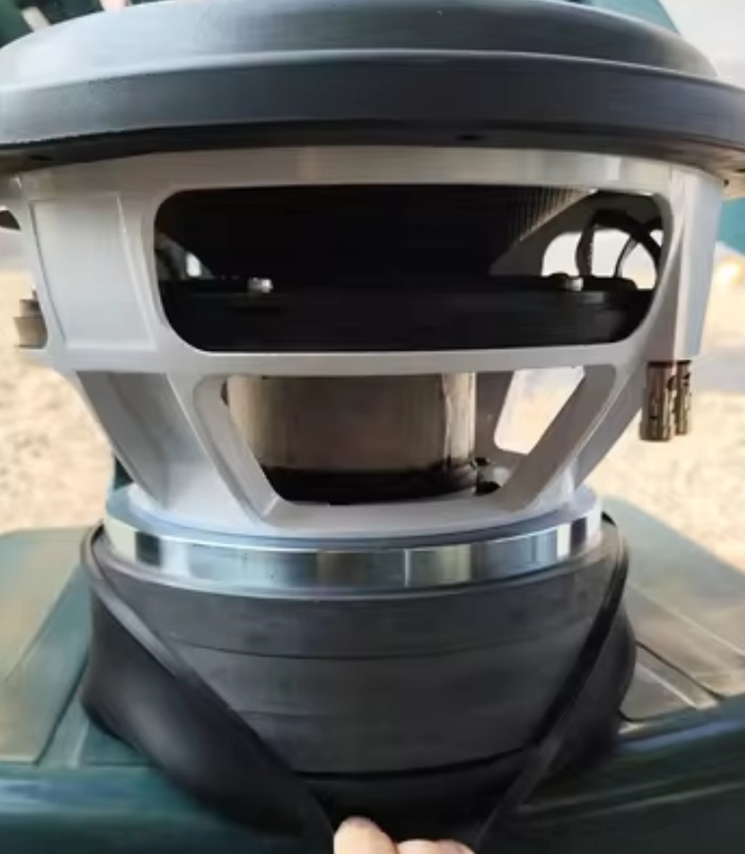
Getting the most out of the HYW12100004 means making some thoughtful choices at the system level. When matching amplifiers, look for ones that can handle 300 to 500 watts RMS into 8 ohms. This aligns pretty well with the speaker's 400 watt AES rating and helps prevent issues like clipping when underpowered or damaging the voice coil if there's too much headroom. With a sensitivity rating of 98 dB, this driver produces decent sound pressure levels efficiently, which means less power consumption and heat buildup in permanent installations. For cabinets, bass reflex boxes will push those lows down past 60 Hz, but sealed enclosures tend to be better for quick transients and clear vocals, especially important for stage monitoring where that punchy 80 to 120 Hz range matters most. Live sound engineers should consider using steep slope crossovers below 18 dB per octave to send everything under 100 Hz to subs, keeping the mid bass clean even during loud sections. And don't forget about placement tricks for installed systems. Mounting speakers close to walls or floors creates what we call half space loading, giving around 6 dB extra acoustic gain without needing more amp power.

Guangdong HuiYin Audio Co., Ltd specializes in premium speakers and subwoofers for car audio systems. Our advanced acoustic technology delivers superior sound quality for music enthusiasts worldwide.
Room 701, Unit 2, Building 23, Huazhi Science and Technology Innovation Center, No. 28, Sanle East Road, Shunjiang Community, Beijiao Town, Shunde District, Foshan City, Guangdong Province, China
Copyright © 2025 by Guangdong Huiyin Audio Co., Ltd Privacy Policy
 EN
EN