
 EN
EN
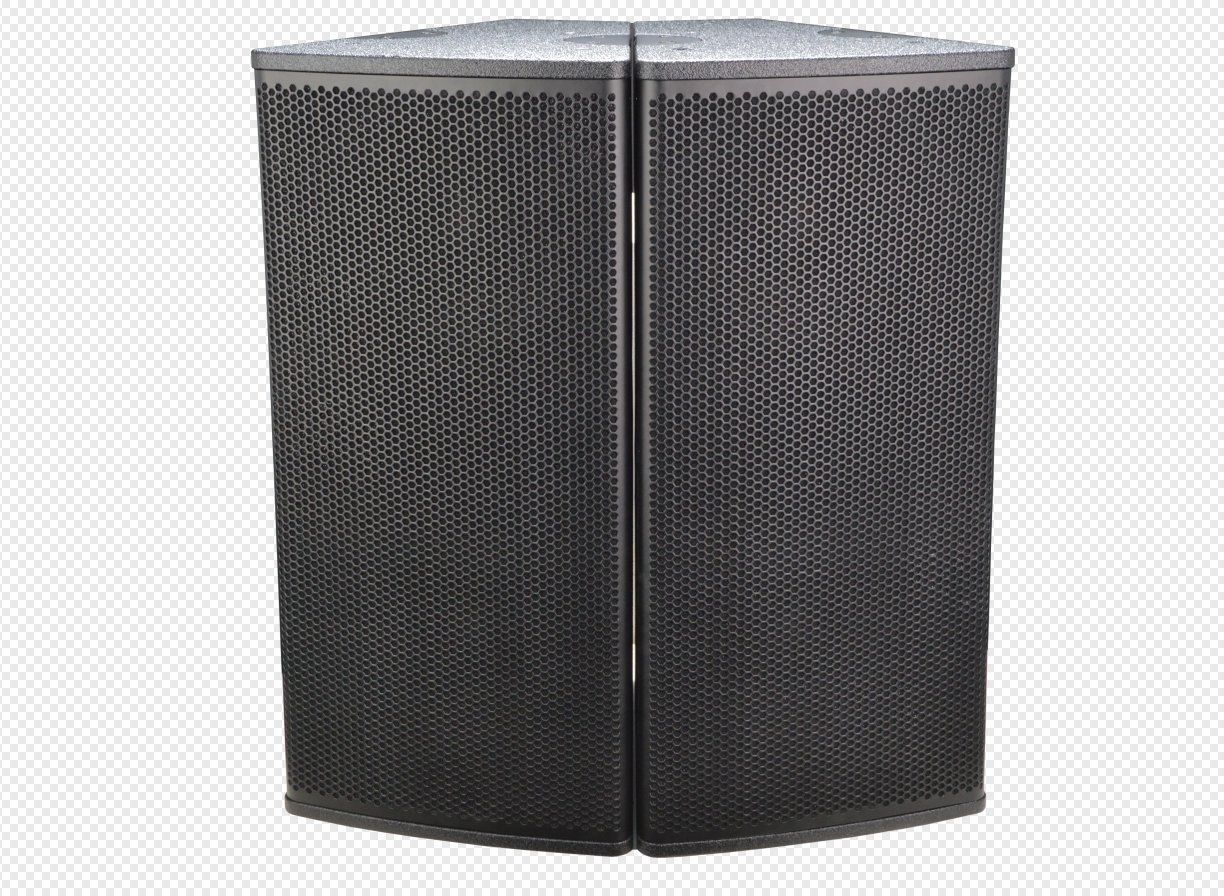
What Makes a Line Array Speaker a True Performance Partner?
Defining 'Performance Partner' Beyond Specs: Reliability, Adaptability, and Crew Workflow Integration
Real performance gear goes beyond just specs on paper. What makes equipment reliable? Look at the build quality: weatherproof cases, durable grilles that can take punishment, and heat management systems designed for those marathon shows where lights stay on all night long. The adaptability factor matters too. Good gear comes with rigging options that work whether it's a small stage or a massive festival site. No tools needed for adjusting angles either. Workflow matters most though. Standardized connections save time during setups. Compatible hardware means less headache when mixing different brands. And don't forget the acoustic modeling software that actually works with how sound behaves in different spaces. All these things together cut down on wasted hours, prevent those frustrating tech glitches, and keep crews from burning out after multiple shows. When everyone knows they can count on the equipment week after week, that builds trust among performers and engineers alike.
Key Operational Metrics: Setup Speed, SPL Consistency, and Real-World Coverage Uniformity
Performance partnership is validated by measurable outcomes:
- Setup Speed: Modern integrated rigging cuts deployment time by 40% versus traditional arrays
- SPL Consistency: ±1.5 dB variance across 100 m throws under real-world conditions
- Coverage Uniformity: Predictive software achieves 90% audience coverage even in acoustically asymmetrical spaces with balcony obstructions or irregular seating
Field data shows optimized workflows reduce load-in/out times by 58% (Pro Audio Report 2025). Consistent SPL prevents engineer overcompensation, while adaptive coverage algorithms eliminate dead zones without manual patching. These metrics distinguish tools from true partners.
Top Line Array Speakers Evaluated for Performance Partnership
JBL VTX Series: Tour-Ready Ruggedness and Scalable Output
The JBL VTX series is built to survive the toughest tour conditions. These speakers come with IP-rated enclosures, heavy duty grilles, and drivers that stay cool even after long nights on the road. What really stands out though is how flexible they are. Start with just one cabinet for smaller club gigs, then scale up to massive arena setups where these systems can hit impressive sound levels around 147 dB SPL. Setup becomes much faster thanks to their color-coded rigging system which cuts down on assembly time by roughly 30%. Plus, there's almost no chance of getting things misaligned during installation. And let's not forget about those proprietary waveguides that do wonders for sound distribution. They create an even spread vertically so everyone in the audience hears the same quality regardless of where they sit, even when dealing with tricky acoustic situations like narrow stages or rooms full of reflective surfaces.
L-Acoustics K2 & Synergy: Precision Coverage vs. Modular Deployment Flexibility
L-Acoustics has developed two distinct approaches that work well together. Their K2 system focuses on very precise sound direction using their special Panflex technology, which makes it great when we need to keep stage sound from spilling out too much. Think places like traditional theater stages or those side areas at music festivals where unwanted noise can be a problem. On the other hand, the Synergy range is all about flexibility. The cabinets fit together in different ways so they can quickly form either straight lines or curves, making them perfect for covering spaces that change shape often. What's interesting is that both systems actually run on similar digital processing hardware. This means they maintain consistent sound quality even when temperatures swing wildly between really cold mornings (-10 degrees Celsius) and hot afternoons up to 45 degrees. That kind of reliability matters a lot during long festival runs where equipment needs to perform day after day without breaking down.
d&b Y-Series & En-Space: Intelligent Rigging and System-Level Integration
The Y-Series from d&b comes with smart flywire technology that automatically senses loads and figures out what's safe according to building codes. Their ArrayCalc software does an amazing job predicting sound coverage before anything gets rigged up, hitting around 94 percent accuracy mark which cuts down tons of time spent fine-tuning at the venue itself. There's also something called En-Space that handles acoustics in real time. With Dante support, it can actually change how long sound hangs in a room during live shows based on what's happening moment to moment. All these intelligent features keep everything sounding good even when multiple zones are involved, and honestly makes life so much easier for production crews who often have just hours between setups for big corporate events or TV broadcasts where timing is absolutely everything.
Meyer Sound Lyon & Leopard: DSP-Driven Consistency and Thermal Resilience in Back-to-Back Sets
Meyer Sound has built their systems with embedded DSP technology that keeps things sounding good even when temperatures rise. Take the Lyon model for instance its dual woofer design actually gets rid of heat about 40% quicker than standard setups. And then there's the Leopard which relies on passive cooling methods so it can run flat out at 90% power for eight straight hours without overheating. What really stands out though is their RMS Remote Monitoring System. This clever tech spots problems before anyone even notices a glitch in the sound quality something absolutely critical during major music festivals where every minute of equipment failure costs around $740,000 according to recent industry reports. Both models manage to keep vocal clarity within a tight ±2 dB range all the way out to 100 meters, meaning voices stay clear and understandable no matter how far back in the crowd someone happens to be sitting.
Critical Technical Criteria for Selecting Line Array Speakers
Weight-to-SPL Ratio and Rigging Efficiency: Reducing Crew Fatigue Without Compromising Output
How much sound a speaker makes compared to how heavy it is really matters when it comes to keeping the crew safe, moving things around quickly, and lasting through long events. These days top quality speakers can hit over 130 decibels while weighing under 40 kilograms thanks to those fancy composite materials and those powerful neodymium driver units we all know about. When combined with those easy to handle rigging systems that come in different colors so nobody gets confused, crews actually deploy equipment 25 to maybe even 30 percent quicker than before, which means fewer back injuries too. And here's something important nobody talks about enough these days: none of this performance boost comes at the cost of toughness or audio quality. The cabinets still hold together well and spread sound properly across venues, saving precious time for fine adjustments needed during sound checks where every detail counts for proper coverage.
Power Handling, Thermal Management, and Long-Duration Stability Under High-Load Conditions
Most pro line arrays today can handle sustained power inputs of over 2000 watts continuously, but what really makes some systems stand out is how they deal with heat. Systems that last longer without failing usually have better thermal resilience. Manufacturers use advanced cooling techniques for voice coils, design heat sinks with optimal geometry, and incorporate forced air convection to maintain safe operating temps under 90 degrees Celsius. This prevents those annoying 3 to 6 decibel drops in sound quality that happen when equipment overheats. The best models show failure rates below half a percent even after running nonstop for eight hours at nearly full capacity. And this level of reliability isn't just luck. It comes from careful engineering choices made throughout the product development process, including special materials for drivers, smart ventilation in cabinets, and sophisticated digital signal processing that monitors performance in real time.
Matching Line Array Speakers to Venue Scale and Production Cadence
Large Arenas & Festivals: Vertical Clusters with Adaptive Throw and Splay Control
When it comes to big venues like stadiums and major festival stages, vertical line arrays just aren't optional anymore. These systems work differently because their columns are packed closely together, creating those nice round wave patterns that lose about half as much volume when distance doubles compared to regular speakers which drop twice as fast. From a physics standpoint, this gives sound engineers way better control over how far the audio travels and lets them shape different areas of the venue specifically. Take an arena setup for instance. Getting good coverage across 40 degrees horizontally often means arranging around ten speaker boxes each set apart by roughly four degrees. This arrangement fills in all the dead spots and keeps unwanted echoes from messing with speech intelligibility, especially important when voices need to be heard clearly at 120 decibels throughout an 80 meter space. That kind of performance difference makes all the difference between a decent show and one that truly connects with every audience member.
Mid-Scale Tours & Theatres: Curved Arrays for Seamless Front-Fill Integration and Stage Monitoring Support
For places that hold around 500 to maybe 1,500 people like regional theaters or those mid-sized touring productions, curved line arrays really shine when it comes to covering the space smoothly without any annoying delays. When set up in that classic J shape, the lower cabinets point pretty steeply at folks sitting close while the upper parts reach out towards those back balcony seats. This creates this nice even sound wave that doesn't have those annoying jumps in volume levels. Another great thing about this curved setup? It works two ways. Those lower sections stacked on the ground double as powerful stage monitors that match the main system's tone perfectly. And here's something sound engineers love: using the same drivers throughout both main speakers and monitors means everyone hears the same quality sound no matter where they are. Plus, it makes life so much easier for the crew who have to tear down one show and set up another with barely enough time between gigs.
Table of Contents
- What Makes a Line Array Speaker a True Performance Partner?
-
Top Line Array Speakers Evaluated for Performance Partnership
- JBL VTX Series: Tour-Ready Ruggedness and Scalable Output
- L-Acoustics K2 & Synergy: Precision Coverage vs. Modular Deployment Flexibility
- d&b Y-Series & En-Space: Intelligent Rigging and System-Level Integration
- Meyer Sound Lyon & Leopard: DSP-Driven Consistency and Thermal Resilience in Back-to-Back Sets
- Critical Technical Criteria for Selecting Line Array Speakers
- Matching Line Array Speakers to Venue Scale and Production Cadence