
 EN
EN
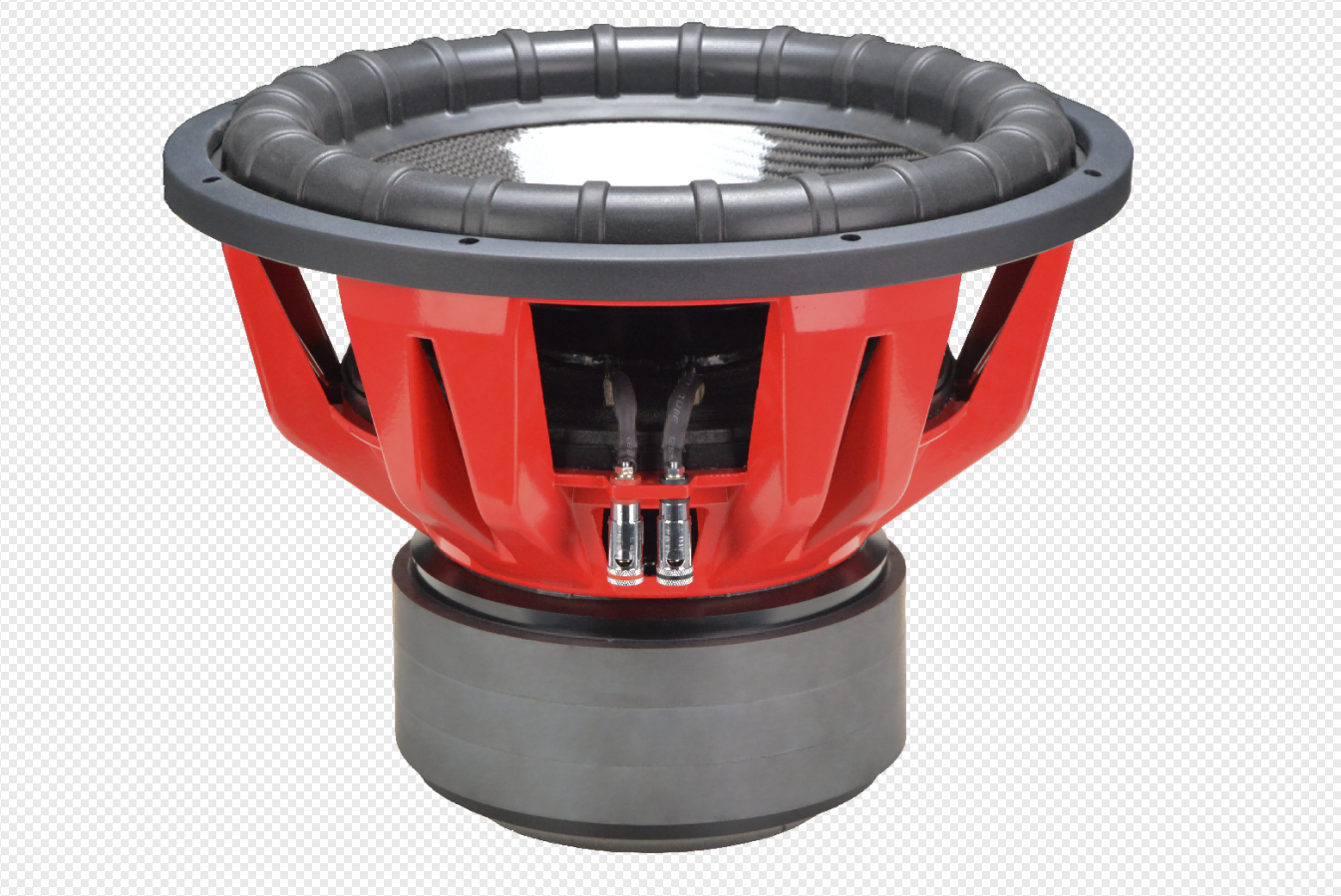
Why a 15 Inch Subwoofer Delivers Superior Low-Frequency Performance
Physics of air displacement: How larger cone area enables deeper, more impactful bass below 25 Hz
When looking at why a 15 inch subwoofer outperforms its smaller counterparts, we start with basic physics principles. The cone surface area on these bigger models is about 56 percent larger compared to standard 12 inch versions, which means they can move way more air around. This makes all the difference when pushing sound pressure levels (SPL) down past those really low frequencies, say anything under 25 Hz where most small speakers just can't keep up either mechanically or thermally speaking. With this bigger diaphragm doing the work, there's simply better efficiency in moving air, so the speaker doesn't need to travel as far back and forth to get the same volume level. What does this actually mean? Well, basically, such subs typically produce 3 to 5 decibels more SPL in those super low ranges while using exactly the same amount of power. And here's another important point worth mentioning: since the cone isn't working quite so hard, transients stay accurate and distortion remains low even during intense musical sections or action movie explosions that demand serious bass response from equipment.
Tradeoffs to consider: Size, transient response, distortion control, and room pressurization challenges
15 inch subs deliver incredible low end but come with their own set of challenges. The sheer size means finding space for them is no small task, especially in cars where enclosures sometimes need over 18 inches of depth just to fit properly. Bigger cones do mean slower response times when compared to smaller woofers, although newer designs with neodymium magnets have really helped cut down on this issue. When pushing these big drivers hard, keeping distortion under control is absolutely critical. Good suspension engineering and voice coils that can handle heat become must-haves for managing all that air movement. For folks setting these up in compact spaces, watch out for bass buildup from too much pressure. Experimenting with different placements and reinforcing boundaries based on actual measurements rather than guesswork makes a huge difference in getting clean sound without losing that powerful bottom end.
Matching Your 15 Inch Subwoofer to the Right Enclosure Type
Sealed vs. Ported Enclosures: Airspace Requirements, Low-End Extension, and Transient Accuracy Tradeoffs
Sealed enclosures give that tight, punchy bass response most audiophiles crave, especially when it comes to those really low frequencies under 30 Hz. The whole point of their sealed box design is to control how the speaker cone moves by using the air inside as a sort of shock absorber. This results in pretty quick, clean bass notes without all the muddiness that can happen in other designs. But there's a catch though these boxes need way more power from an amp compared to their ported cousins just to get the same loudness level out of them. Ported or vented enclosures work differently. They basically use carefully designed holes to let air escape in a controlled way, which extends those deep bass tones further down the scale. These ports can boost efficiency by around 3 to 5 dB right around their tuning point, making them great for creating that physical rumble effect people love in home theaters. However, this comes with some downsides too. The bass tends to be a bit slower reacting to musical changes and there's usually more time lag between different frequencies hitting our ears. Plus, ported speakers take up significantly more space inside the cabinet itself, anywhere from 40% to 60% extra room needed. So while they might not fit well in smaller rooms, many serious listeners still prefer them when deep, impactful bass is what matters most for their listening environment.
When Bandpass or Hybrid Designs Make Sense—For SPL-Focused Applications Only
When it comes to bandpass and hybrid enclosures, their main goal is achieving those massive sound pressure levels (SPL) rather than delivering accurate audio reproduction. These designs focus on boosting a very specific range of frequencies, usually somewhere around 35 to 60 Hz, which allows competition systems to push past the 120 dB mark easily. But there's a catch. All that extra power creates problems like phase shifts, group delay issues, and responses that just don't behave linearly across the spectrum. What happens? Music loses its timing precision and sounds off in terms of tonal balance. Plus, tuning these boxes is complicated work, and they take up roughly 40 to 70 percent more space than standard designs. For most folks, these should only be considered if they're entering an SPL contest or need extreme volume for some special installation project. Definitely skip them for studio work, serious listening setups, or anything where clean, well-timed bass matters.
Amplifier Pairing and Power Requirements for a 15 Inch Subwoofer
RMS power matching: Why 800—2000W continuous output (not peak) is essential for clean, controlled performance
Getting the right match between an amplifier's RMS output and what a 15 inch subwoofer can handle is pretty much essential if we want our system to last and sound good. When an amp doesn't have enough power, it starts clipping which messes up those bass frequencies and puts serious heat on the voice coil, sometimes as much as 40% more than normal. On the flip side, running the sub within about 10% above or below its RMS rating (usually somewhere between 800 and 2000 watts) gives better control over how far the cone moves, reduces distortion, and makes everything last longer. Looking at actual field reports, systems where the power doesn't match up tend to fail around 42% of the time after just two years, compared to only about 9% failure rate when everything lines up correctly.
| Power Configuration | Failure Rate (24 Months) | Output Degradation |
|---|---|---|
| Underpowered (50—70% RMS) | 42% | 22% loss after 500 hours |
| Matched (±10% RMS) | 9% | 2% loss after 500 hours |
Class D amplifiers: Thermal efficiency, impedance stability, and long-term reliability with high-excursion 15 inch subwoofers
Class D amplifiers work really well with those big 15 inch subwoofers that move a lot, turning about 85 to maybe even 92 percent of electrical energy into actual sound instead of just heat. That beats out Class AB amps which only manage around 65% efficiency. The fact that they run cooler makes all the difference when pushing them hard for long periods. Less heat means better performance over time and longer life span for everyone involved. These amps also have stable output stages at 2 ohms, so they keep things running smoothly through the entire range of frequencies without losing power when handling complicated bass lines. Proper pairing matters a lot too. Studies show these modern Class D designs cut down on heat related problems by roughly 30 something percent and can push about 12 decibels more at low end frequencies like 30 Hz compared to older or mismatched systems.
Optimal Placement and Integration Strategies for a 15 Inch Subwoofer
Room mode management: Subwoofer crawl, multi-sub smoothing, and boundary reinforcement in large spaces
The way bass behaves below around 100 Hz is mostly controlled by room modes, which actually impact about 8 out of 10 standard rectangular spaces. If someone wants to fix those annoying dips and booms in the low end, they should try what we call the subwoofer crawl technique. Start by putting that big 15 inch driver where people normally sit and then slowly slide it along the walls while blasting some test tones between 20 and 60 Hz. Look for spots where the sound seems most even across different frequencies. When dealing with larger rooms over 300 square feet, installing two 15 inch subs instead of just one corner unit can cut down on these problematic resonances by roughly half. Placing speakers close to corners or edges will naturally make them louder by about 6 to maybe 12 decibels, but this often leads to too much bass unless properly adjusted later. Don't forget to run some parametric equalization after getting everything positioned right to really dial in that perfect balance.
Installation constraints: Clearance, baffle depth, and acoustic isolation—home theater vs. vehicle use cases
| Consideration | Home Theater | Vehicle Installation |
|---|---|---|
| Clearance | 6—12" rear/front required | Trunk height critical |
| Baffle Depth | 12—18" for ported designs | Seat/fender clearance |
| Isolation | Decoupling pads mandatory | Vibration-resistant mounts |
For home theaters, installing decoupling pads or isolation platforms helps stop vibrations from traveling through the floors and walls. When setting up car audio systems, things get different. Rigid baffles along with good vibration dampening mounts become essential to deal with all that road noise and the annoying resonances coming from the vehicle's frame. Before buying any subwoofer, make sure to check the overall depth requirements. Don't forget about those connectors and terminal cups either! Most 15 inch subs actually need around 18 to 22 inches of space behind them. If room dimensions are really tight, there are shallow mount options available that sit under 7 inches deep. These can work in a pinch but they do come at a cost. The bass response drops off significantly below 30 Hz, so these shallow models aren't great choices unless fitting into the space takes priority over getting full low end performance.