
 EN
EN
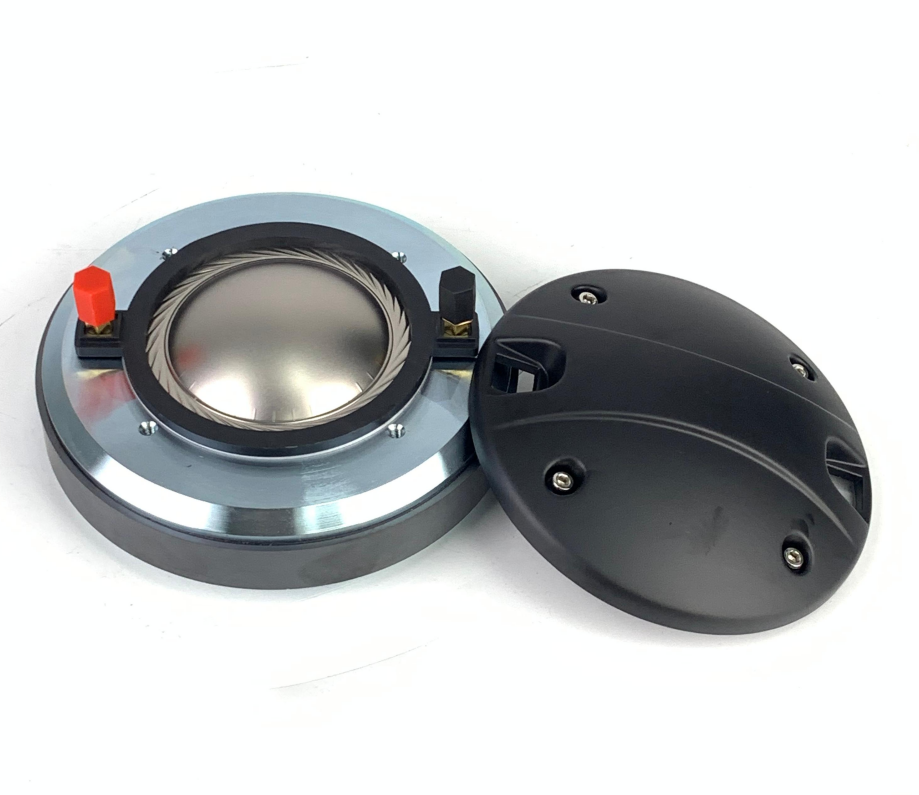
Зашто перформансе твитер говорника дефинишу високофреквентну јасноћу у професионалном аудио
Твитер говорник се бави фреквенцијама између око 2 кХЗ и 20 кХЗ где се већина онога што чујемо као јасан звук заправо дешава. Овај део спектра прихвата све те брзе звукове који чине музику стварном - размислите како се цимбале ударају, о оштриности нечијег гласа када каже "с" или "т", и суптилне вибрације од жица гитаре. За професионалце у студију који раде на миксима, ово је веома важно, јер ниска репродукција нарушава наше осећање простора и чини да инструменти звуче погрешно. Када твитери не раде довољно добро, појављују се проблеми као што су прекомерни свијање у вокалу (обично достиже врхунац негде између 6 и 8 кГц) или чудни ефекти који замагљавају где звуци долазе у стерео мешавини, чинећи све мање дефинисаним.
Када се баве физиком високих фреквенција, инжењери морају бити прилично креативни. Кратке таласне дужине значи да радимо са суперлаким материјалима за те дијафрагме, обично нешто као свила или мале титанијске куполе које могу да реагују на промене звука за само 50 милионних секунди. Сада то упореди са обичним вуферима који шире звук свуда, твитери раде другачије. Они стварају ове фокусиране зраке звука, и колико добро одржавају квалитет када неко помера главу, одређује где је најбоље место за слушање. Свако ко је мешан музички зна да ако се фреквенција варира више од око 1,5 dB горе или доле, ствари почињу да звуче другачије у другим собама. Зато студији тако пажљиво прате стандарде АЕС-2019 за доследно праћење.
Када професионалци користе опште твитери, одређена ограничења постају очигледна прилично брзо. На пример, чак и мали пад од 1 дБ изнад 10 кГц може потпуно да избрише те деликатне виолинске хармонике током оркестарске снимачке сесије. А када је реч о појачању звука у живом режиму, возачи компресије морају да се носе са SPL-ом од око 110 dB без разбијања или искривљења. Приметили смо да референтни монитори способни да држе укупно хармонично искривљење испод 0,8% на 15kHz имају тенденцију да се много боље преведу у различитим системима него њихови колеги. Гледајући ствари практично, ове спецификације су важне јер директно утичу на то колико тачно чујемо шта се стварно дешава у мешавини. На крају дана, добар твитер није само још један део који седи тамо и не ради ништа. То делује као прозор за наша уши, омогућавајући нам да видимо (или боље речено чујемо) сваки детаљ у том високом фреквентном распону где живи толико музичких карактера.
Упоређивање врста звучника Твитера: Купола, трака и драйвера за компресију за тачност студија
Карактеристике звучника куполе Твитер: Дисперзија, повратак детаља и погодност за студио у стварном свету
Куполни твитери распоређују звук прилично широко хоризонтално између 120 и 180 степени, што их чини одличним за праћење у студију када људи нису увек седели директно испред звучника. Тканина или свила дају леп и глатки звук који не уморава уши током дугих сесија миксирања. Они обично имају искривљење испод пола одсто на око 90 децибела SPL. Металне верзије куполе могу да ухватију пролазне са више јасноће, иако их треба пажљиво упоредити са другом опремом како би се са временом спречио умор ушију. Ови мали заузимају минималан простор јер су дубине мање од 15 см, тако да се лако уклапају чак и у тешке контролне собе. Већина модела има осетљивост око 90 дБ на ват на метар, што значи да добро раде са различитим појачачима без потребе за посебном опремом.
Ребон и компресионски твитер звучници: прелазна брзина, управљање енергијом и изазови интеграције
Твитери са траком су познати по свом невероватном прелазном одговору, са импулсом који траје мање од 50 микросекунди. То им омогућава да репродукују високе фреквенције са невероватном детаљношћу и прецизношћу. Међутим, јер су тако осетљиве, ове компоненте треба да имају заштитне кола и морају да буду у стабилним условима да би правилно функционисале. С друге стране, компресијски драйвери управљају много више снаге, способни да одржавају ниво звучног притиска изнад 110 дБ, што их чини идеалним за велике студијске поставке. Недостатак је њихов ограничен угао дисперзије, обично између 60 и 90 степени, што значи да се таласни водичи морају пажљиво ускладити за оптималне перформансе. Када је реч о интеграцији, постоји јасна разлика. Звучници на траци захтевају мрежу за импедансно одговарање обично око 4 до 8 Ом, док возачи компресије најбоље раде са посебним кросоверцима дизајнираним да одржавају кохеренцију фазе изнад 15 кХЗ. Могућности управљања енергијом такође се значајно разликују. Лента обично не може да се носи више од око 100 вата без оштећења, док возачи компресије могу да се носе са 200 вата или више. То значи да аудио инжењери морају да провере да ли су појачари компатибилни са специфичним типом драйвера који се користи у датом систему.
Критичне техничке спецификације за избор твитер звучника
Одговор на фреквенцију, осетљивост и импедансно усаглашавање за безводну интеграцију кросовера
Када је реч о томе да све ради заједно, постоје три главне ствари које треба узети у обзир: колико добро реагује на различите фреквенције, колико је осетљив на звучне улазе и какву врсту електричног отпора представља. Добар твитер треба да се бави звуцима између око 2 и 20 килохерца прилично равномерно, остајући у оквиру плюс или минус 3 децибела тако да ништа не звучи претерано или уморно након неког времена слушања. Ниво осјетљивости мора да одговара прилично добро са било којим вуферима који се користе поред њих. Ако се разликују за више од 3 дБ, људи ће дефинитивно приметити разлику у гласности када прелазите између звучника. Импеданца је такође веома важна, јер већина система најбоље ради када компоненте буду између 4 и 8 ом. Управо ово помаже да се спрече чудни проблеми са временом и одржава струју која правилно тече кроз оне кросовер кола где се високе и ниске фреквенције сусрећу. За свакога ко посебно поставља студио за снимање, има смисла да се усредсређује на осјетљивост од најмање 90 дБ, а задржавање импеданце не више од 10 посто од онога што је вуфер навео обично функционише добро у пракси.
| Спецификација | Оптимални опсег | Утјецај на интеграцију |
|---|---|---|
| Одговор на фреквенцију | 2kHz20kHz (±3dB) | Превенција грубости или тупости у вокалима/цимбалима |
| Осетљивост | ±3dB одступање од вуфера | Укида неравнотежу волумена |
| Инпеданца | У оквиру 10% од крстосаног рејтинга | Одржава кохерентност фазе |
Прагове управљања снагом и искривљавања на референтним нивоима слушања (8595 dB SPL)
Када ради на типичним нивоима професионалног звука око 85 до 95 дБ СПЛ, колико добро твитер држи зависи углавном од његове способности да управља снагом и држи изобличење доле. Већина инжењера препоручује да се тражи најмање 50 ватова RMS-а да би се носили са тим изненадним гласним тренуцима без да се звучник компримира због прегревања. Измама треба да остане испод 1% када се достигне 90 дБ СПЛ иначе ствари почињу да звуче непријатно. Неки твитери типа ленте заправо управљају мање од пола процената искривљавања чак и када се притисне на 100 дБ. Дизајни купола имају велику корист од таласних водича који помажу у раширењу топлоте када раде напорно. За музику са много брзе експлозије као што су ударци бубњева, важно је проверити да ли говорник може да се носи са врхунцем снаге око 150% свог РМС рејтинга. Преколазећи ове бројеве обично доводи до приметних проблема са изобличењем и на крају оштећује гласни катуљ након продуженог периода рада.
Практични оквир за избор: Упоређивање Твитер-ових звучника са вашим професионалним аудио радним процесом
Систематски оквир за избор осигурава да ваш твитер побољшава, а не омета ваш радни ток. Почните са закотвљивањем избора на примарну употребу: студијским инжењерима је потребан ултра-плоски одговор (±1,5 дБ) за критично праћење; техничари звука на живому приоритету SPL издржљивост и широка дисперзија (≥90 ° хоризонтална). Затим процени потребе за интеграцијом:
- Буте за емитовање имају користи од компактних твитера куполе са компатибилношћу за прекорачавање 1800 ХЗ како би се минимизирали проблеми са фазом
- Велики формат контролне собе добију од траке твитери прелазна прецизностпосебно када се спари са корекцијом собе на бази ДСП-а
- Туриншки системи захтевају компресионе возаче са титанијским дијафрагмама способним за 120 дБ + пикове без искривљења
Материјал чини велику разлику када је у питању дуготрајност микрофона. Алуминијумске дијафрагме се много боље издрже од влаге у поређењу са свиленим, иако свила заправо добро ради у тим пријатним климатичким студијским окружењима. Када постављате ствари, не заборавите да проверите да ли импеданса одговара ономе што појачач може да носи (обично 4 или 8 ом). Такође је важно осигурати да је рејтинг осетљивости најмање 92 децибела тако да може да достигне потребне нивое звучности за снимање. Неко интересно истраживање које је објавила Аудио Инжењерско Друштво 2023. године открило је да када све функционише правилно, музичари пријављују око 40% мање умора у ушима након целог дана снимања. То показује да је имати опрему која се добро свира једнако важно као и да се сви бројеви исправно на папиру.
Садржај
- Зашто перформансе твитер говорника дефинишу високофреквентну јасноћу у професионалном аудио
- Упоређивање врста звучника Твитера: Купола, трака и драйвера за компресију за тачност студија
- Критичне техничке спецификације за избор твитер звучника
- Практични оквир за избор: Упоређивање Твитер-ових звучника са вашим професионалним аудио радним процесом