
 EN
EN
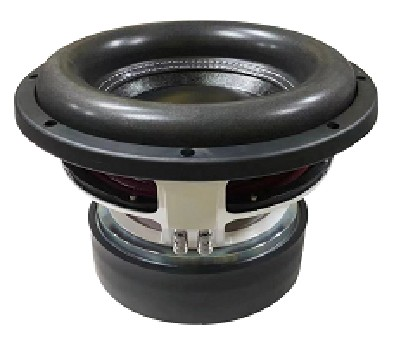
Key Technical Differences Between 12-Inch and 15-Inch Subwoofers
Physical Size and Cone Surface Area of 12 Inch Subwoofer vs 15 Inch Subwoofer
When comparing speaker sizes, a standard 12 inch subwoofer gives about 113 square inches of surface area since radius is half diameter. The bigger 15 inch version jumps to around 177 square inches, which means roughly 50-60% more space to work with. Because of this expanded surface area, those larger 15 inch drivers can push more air through the room, resulting in stronger low end punch that really shakes things up down there. On the flip side though, the lighter weight of a 12 inch woofer lets it react quicker to fast changes in sound, something that matters quite a bit when listening to stuff where timing counts, like old school funk records or even some modern rock tracks where tight bass lines are essential.
Driver Displacement and Its Effect on Air Movement and Sound Pressure
A 15 inch subwoofer has about 38 percent more piston area compared to a standard 12 inch model. Because of this larger surface area, it can push roughly two and a half times as much air with each movement when both are operating at similar excursion levels. What does this mean practically? Well, speakers produce around 3 to 6 decibels more sound pressure in those really low frequencies between 20 and 40 hertz. That makes them particularly good for creating that deep rumble effect needed in home theaters. On the flip side though, these bigger drivers come with their own challenges. The moving parts weigh significantly more too heavy somewhere between 300 to 400 grams versus just 150 to 220 grams for smaller 12 inch models. This extra weight actually cuts down on performance when we get into the mid bass territory from 50 to 100 hertz where many music tracks spend most of their time.
Frequency Response Ranges: Deep Bass Extension in 15-Inch Models vs Precision in 12-Inch Units
The bigger 15 inch subs can reach down about 2 to 5 Hz further into those really low frequencies around 18 to 22 Hz, whereas the 12 inch ones only get to about 24 to 28 Hz. But there's a trade off here because those larger cones create something called group delay that's roughly 15 to 20 percent higher, which messes with how accurately sounds arrive at different times. When it comes to fast transients, the 12 inch models actually perform better. This matters a lot for stereo setups. Research into what people actually prefer shows most folks tend to go for the smaller drivers when they want clearer acoustics and better dynamics in their music listening experience.
Power Handling, Thermal Limits, and Efficiency by Driver Size
Larger 15 inch subwoofers need roughly double the power (around 40 to 60 percent more) just to match what smaller 12 inch units produce at 30 Hz frequencies. These big speakers typically come with those dual 3 inch voice coils that let them take on between 1000 and 1500 watts RMS power, though they really need some serious cooling systems to deal with all that heat buildup from thermal compression issues. On the flip side, standard 12 inch models work fine with amplifiers in the 500 to 800 watt range, which makes them much better choices when building sealed enclosures where there's not much room available and getting rid of excess heat becomes a real challenge.
Acoustic Performance Comparison: Bass Quality and Real-World Output
Low-frequency output and room-shaking impact of a 15 inch subwoofer
Bigger cones make all the difference when it comes to subwoofers. The 15 inch model can move way more air than smaller units can which means it can really hit those deep frequencies below 30Hz. For anyone who wants that physical feeling in their chest during movies or electronic dance music, this matters a lot. When placed in average sized living spaces, these 15 inch subs manage to keep going strong at 105 decibels even down at 25Hz. That beats what most 12 inch competitors can do, which tend to hover around 98 dB in similar setups.
Transient response and clarity advantages of a 12 inch subwoofer
Fifteen inch subwoofers pack serious punch, but when it comes to quickness and definition, twelve inch models are hard to beat. The lighter construction means they react almost 20% faster to sudden sounds, clocking in at around 0.43 milliseconds compared to 0.53 for their bigger cousins. That difference really shows up when playing music with sharp attacks like kick drum hits or those crisp upright bass notes. Audiophiles and studio engineers know this well because these smaller subs just handle complex mixes better without muddying the details. Most recording studios actually stock both sizes depending on what kind of tracking session they're running.
Measured SPL at 20Hz: Performance data for 12-inch vs 15-inch drivers
| Metric | 12-inch Subwoofer | 15-inch Subwoofer |
|---|---|---|
| Average SPL @20Hz (1m) | 89dB | 96dB |
| -3dB Point | 28Hz | 22Hz |
| Group Delay @40Hz | 11ms | 17ms |
The performance tradeoff is clear: while 15-inch drivers provide +7dB output at 20Hz, they also exhibit 55% greater phase distortion. This impacts imaging in multi-sub installations, where phase coherence is vital for accurate bass integration.
Room Size, Placement, and Acoustic Integration Considerations
Ideal placement and performance of a 12 inch subwoofer in small to mid-sized rooms
When it comes to twelve inch subs, they actually have about 30 percent less surface area compared to those bigger fifteen inch ones. These tend to work really well in smaller spaces, say anything below 250 square feet roughly. Putting them close to walls tends to balance things out pretty nicely, which helps cut down on that annoying booming sound we all hate in tight quarters. Want the best setup? Try what folks call the subwoofer crawl. Just put the sub where you normally sit and then walk around the room looking for spots where the bass sounds most even. Works wonders for getting clear sound without making tiny rooms feel like concert halls.
Challenges of fitting a 15 inch subwoofer in tight or residential spaces
A 15 inch subwoofer needs quite a bit of space around it, probably about three to four feet away from any walls if we want to keep those annoying room resonances in check. When installed in smaller areas, say anything below 300 square feet, the really low frequencies between 15 and 25 hertz can totally swamp out the midrange and treble sounds. Most folks end up needing some sort of digital signal processing to fix this imbalance. These subs aren't exactly lightweight either, coming in at over fifty pounds each, plus they usually come with those big ported boxes. For people living in apartments or trying to set up multiple functions in one room, these big beasts just don't fit well into most situations.
Room gain and boundary reinforcement effects that benefit larger drivers
Larger subwoofers benefit more from boundary reinforcement. When placed 2-3 feet from room corners, 15-inch drivers can gain 3-6 dB below 30 Hz due to natural room gain, reducing amplifier strain during high-output scenarios. However, in rooms over 500 sq. ft., boundary effects diminish, often necessitating multiple subwoofers for even low-frequency coverage.
Best Use Cases: Matching 12-Inch or 15-Inch Subwoofers to Your Project Type
Home Audio Setups Where a 12 Inch Subwoofer Delivers Optimal Balance
In smaller spaces like living rooms or home theaters below 400 square feet, a 12 inch subwoofer delivers just the right amount of bass without overwhelming the room. The small size means it can slot neatly into entertainment units or sit against walls without taking up much space. It handles frequencies from around 20 to 200 Hz pretty well, which covers most movie soundtracks and musical genres. Homeowners often find these models work best when they want good low end without blasting through thin walls and waking up the whole neighborhood at night.
Live Sound and Outdoor Events That Benefit From a 15 Inch Subwoofer
For big venues and outdoor shows, 15 inch subwoofers are basically essential because they can crank out around 105 to 120 decibels across large spaces. The bigger drivers actually push about 42 percent more air compared to standard 12 inch models, which means the bass still cuts through all that crowd noise during concerts or music festivals. These subs typically handle well over 1000 watts RMS too, so they keep pumping out those deep frequencies even when conditions get tough in open air settings where sound just disappears into thin air.
Studio Monitoring and Critical Listening: Accuracy vs. Impact Trade-Offs
Most pro studios go with 12 inch subs because they respond quickly and handle phase better, which makes those little details in kick drums and synth sounds stand out. The bigger 15 inch ones definitely go lower in frequency, but sometimes they actually hide those subtleties since they have more group delay going on. Looking at what's happening lately, around two thirds of mastering engineers these days are setting up with two 12 inch subs side by side. They find this setup helps keep things accurate while avoiding those annoying phase problems that can throw off mixes.
Car Audio Applications and Enclosure Tuning By Subwoofer Size
Space limitations mean most car audio systems go with 12 inch subs these days since they fit nicely into those tight spaces either behind the seats or down in the trunk area. When it comes to those SPL competition builds though, folks are going big with 15 inch drivers mounted in those larger 4 to 6 cubic foot bandpass enclosures that can push sound pressure levels past 140 decibels. But getting there means serious electrical work on the car's power system. The math gets interesting when matching sub sizes to what the vehicle can handle power wise. A standard 12 inch system usually works fine with a regular 100 amp hour battery, but switch to those bigger 15 inch subs and suddenly you need something closer to 150 amp hours just to keep everything running smoothly without blowing fuses or damaging components.
Industry Trend: Multiple Smaller Subs vs. Single Large-Driver Configurations
The latest Pro Audio Buyer's Guide from 2024 shows something interesting happening in the industry right now. Installations are going up by around 40% where people are setting up three or even four 12 inch subs rather than just one big 15 inch unit. When we talk about distributed bass arrays, what they actually do is cut down on those annoying room mode issues while making sure everyone gets pretty much the same sound quality no matter where they sit in the venue. Some tests have shown these setups can give an extra 6 dB of headroom too. But wait, don't think all touring bands have jumped on board with this trend yet. Most road crews still stick with their trusty 15s or 18s because moving fewer larger boxes makes life so much easier when loading equipment into trucks and setting everything up at different venues week after week.
Table of Contents
-
Key Technical Differences Between 12-Inch and 15-Inch Subwoofers
- Physical Size and Cone Surface Area of 12 Inch Subwoofer vs 15 Inch Subwoofer
- Driver Displacement and Its Effect on Air Movement and Sound Pressure
- Frequency Response Ranges: Deep Bass Extension in 15-Inch Models vs Precision in 12-Inch Units
- Power Handling, Thermal Limits, and Efficiency by Driver Size
- Acoustic Performance Comparison: Bass Quality and Real-World Output
- Room Size, Placement, and Acoustic Integration Considerations
-
Best Use Cases: Matching 12-Inch or 15-Inch Subwoofers to Your Project Type
- Home Audio Setups Where a 12 Inch Subwoofer Delivers Optimal Balance
- Live Sound and Outdoor Events That Benefit From a 15 Inch Subwoofer
- Studio Monitoring and Critical Listening: Accuracy vs. Impact Trade-Offs
- Car Audio Applications and Enclosure Tuning By Subwoofer Size
- Industry Trend: Multiple Smaller Subs vs. Single Large-Driver Configurations