
 EN
EN
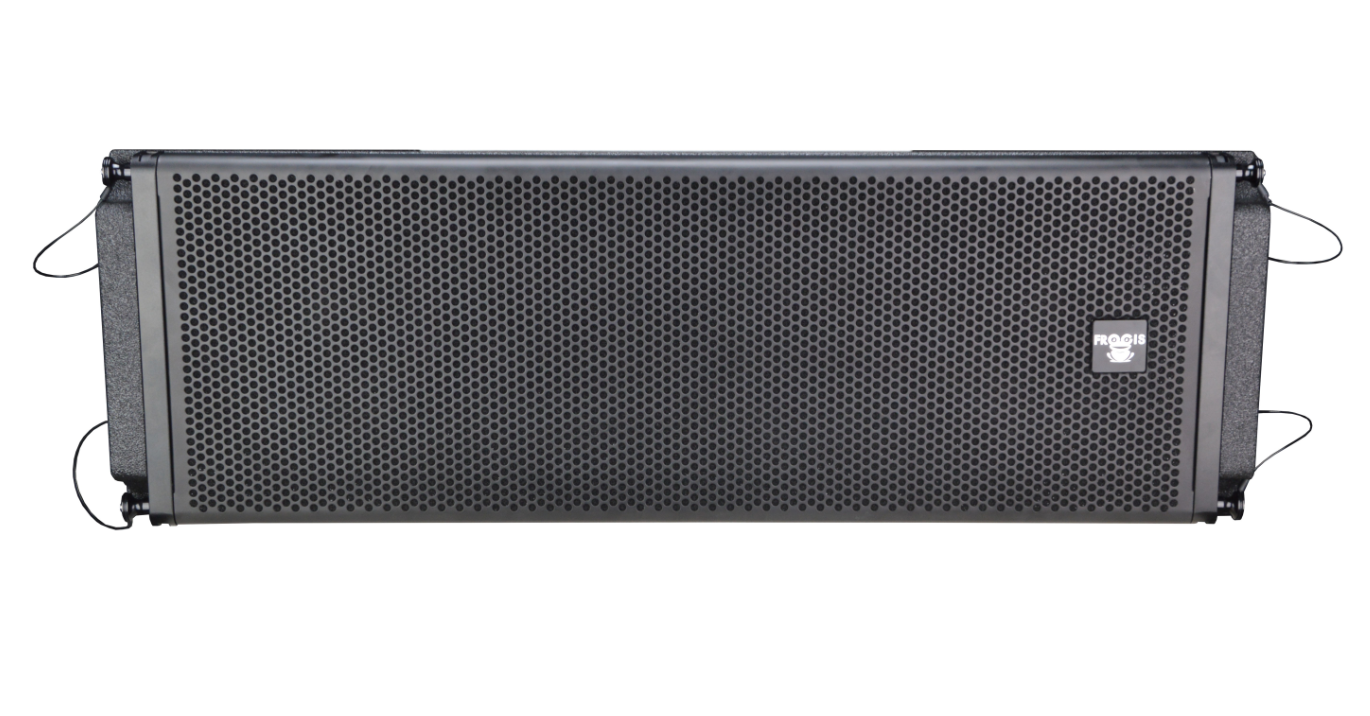
How Line Array Speakers Work: Technology and Sound Propagation
What Are Line Array Speakers? A Technical Overview
Line array speakers have drivers arranged vertically so they act like one big sound source instead of separate ones. This creates a cylindrical wave pattern rather than the round spread we see from regular speakers. The secret sauce here is called constructive interference basically when sound waves team up to boost each other which lets the audio travel much farther without getting all muddled. Because these arrays control sound so tightly in the vertical direction, less energy gets lost bouncing off ceilings and floors. That makes them super useful for massive spaces such as sports arenas and music festivals where people need to hear clearly even if they're way back in the crowd.
The Science of Sound Propagation in Line Arrays (Coherent Wavefront, Interference Control)
Line array performance depends heavily on creating coherent wavefronts and managing interference properly. When engineers space the drivers just right, they get the phases aligned across different frequencies. This creates a single wavefront that stays strong even when it travels far distances, and helps keep those high frequencies from rolling off so fast. Take mid and high frequencies for example these usually lose quality pretty quickly but with good line arrays they can actually carry over 50 meters and still sound clear around 85% of what they were originally. Another big plus is vertical directivity which cuts down on unwanted reflections especially important in tough acoustic environments like sports arenas where speech intelligibility becomes a real challenge.
Line Arrays vs. Traditional Speaker Setups: Key Differences in Performance
Line arrays offer significant advantages over conventional speaker systems in three critical areas:
- Coverage consistency: While traditional systems lose 6–12 dB per doubling of distance, line arrays exhibit only a 3–6 dB drop.
- Feedback resistance: Directional control limits stage bleed, allowing for 15–20% higher SPLs without feedback issues.
- Deployment flexibility: A single line array can replace 6–8 point-source speakers for equivalent coverage, streamlining rigging and system calibration.
These benefits have led 82% of audio professionals to prefer line arrays for venues exceeding 5,000 attendees.
Enhanced Audio Performance in High-Volume Live Environments
Line array speakers excel in high-volume live settings through engineering innovations that preserve audio fidelity while mitigating common challenges like distortion, feedback, and inconsistent coverage.
Reduced Distortion and Feedback at High Sound Pressure Levels
When comparing at similar sound pressure levels (SPL), line arrays actually create about 12 to maybe even 15 dB less harmonic distortion compared to those old fashioned point source speakers we've been using for years. According to some recent measurements taken during concerts in 2023, these differences matter a lot. What makes line arrays special is how their drivers are positioned so close together with built in digital signal processing (DSP). This setup helps cut down on phase cancellation problems and keeps the sound waves traveling consistently even when things get loud around 135 dB SPL mark. The result? Much better bass that really packs a punch and vocals that stay clear and intelligible throughout the show. Plus there's less chance of getting those annoying feedback issues that happen when stage monitors start talking back to the main PA system.
Precision Sound Directionality and Focused Coverage Control
Today's line array systems typically have vertical dispersion angles ranging between 5 and 15 degrees, which works kind of like acoustic lasers pointing sound right at the audience instead of bouncing off walls and ceilings. According to some recent studies done by AVIXA in their 2024 report on stadium audio setups, around 92 percent of those high frequency sounds actually reach where people are sitting. Sound engineers take advantage of this focused delivery to minimize unwanted echoes from overhead surfaces, keep the volume level consistent across all seating areas, and even help musicians hear themselves better during live performances using specialized digital signal processing techniques along with careful placement of speaker cabinets at different angles.
Data Insight: SPL Uniformity Across a 50-Meter Distance
According to research published in 2023 looking at live music events outdoors, line array speaker systems only vary around 2.3 dB in sound pressure level over distances up to 50 meters. That's way better than traditional horn loaded speakers which can swing as much as 9.1 dB over similar distances. When we're talking about average volumes around 100 dB, fans sitting right near the front or all the way back at the edge of the crowd actually hear pretty much the same loudness. This means everyone gets to enjoy good sound quality no matter where they choose to stand during the concert.
Flexible Installation and Scalability for Diverse Event Needs
Flown vs. Ground-Stacked: Flexible Deployment Across Venues
Line arrays work differently depending on where they're used, mainly through two setup options. The first is when they're flown or suspended above venues like theaters and arenas, which gives better sound projection from overhead. The second approach stacks them on the ground for wider sound spread at outdoor events. This flexibility really helps sound engineers get the best possible audio experience no matter what kind of space they're working with. A recent study from the Live Sound Engineering Association found that tailoring these array placements specifically for each venue can boost audience coverage anywhere between 23% to almost 40% over just using standard fixed speakers.
Scalable Designs: Matching System Size to Event Scale
Line array systems work really well across different sizes. They can start small with just four cabinets for those little club gigs, all the way up to massive installations with 24 cabinets or more at big stadiums that hold around 20 thousand folks. The built-in digital signal processing does most of the heavy lifting when it comes to adjusting how sound spreads out through the venue. Just add more cabinets and the system knows what to do, keeping volume levels pretty much the same throughout the space from front row seats right back to the last row. Some research into venue capacities suggests these modular line arrays cut down problems with too much or too little coverage by about 57 percent compared to old school speaker stacks. Makes sense why so many venues are making the switch these days.
Customization and Modular Expansion in Modern Line Array Systems
On site, technicians have several tools at their disposal for tweaking system performance. They can swap out different waveguides, adjust the curvature settings, or replace low frequency modules as needed. The whole point is being able to change coverage angles from around 60 degrees all the way up to 120 degrees while also adjusting how frequencies respond based on what kind of space they're working in. Looking at numbers from across the industry, places that go with these modular audio setups tend to save time when setting things up again later on. Some reports suggest setup times drop by about 31 percent compared to traditional systems. Plus there's money saved too since parts get reused instead of thrown away after each event. Rental costs come down roughly 18% because of this component recycling approach.
Trend Analysis: Digital Integration and Smart Modular Designs
Modern digital signal processing line arrays now come with the ability to automatically detect neighboring cabinets for better phase alignment and even power distribution across the array. With networked control systems, technicians can make on-the-fly adjustments right from their tablets. This matters a lot when moving gear between spaces with completely different acoustic properties. Think about going from a big echoing convention center where sound hangs around for 1.8 seconds after it stops, to a temporary event space where everything dies down in just 0.6 seconds. According to findings published last year in the Pro Audio Tech Report, this kind of automated functionality cuts down on manual setup time by roughly 40 percent. That means faster deployments and fewer headaches with inconsistent sound quality throughout events.